Everyday stories kaze / fū
Three tones, the same conversation: a small dialogue exercise
Keep the speakers and facts fixed, then change rhythm, pauses and sentence length. Hear how a fictional exchange takes on a different manner.
Wear this characterStart with a scene
Two invented characters are closing a little shop. One says the key is missing; the other replies that it is still in the door. Nothing dramatic needs to happen. Write this exchange in four lines, including the moment when they notice the obvious answer. Then make three copies. You will keep the place, the speakers and the outcome identical while changing how the conversation arrives there. That fixed frame makes small writing choices easier to hear.
A closer look
Change the delivery before changing the story
In the first version, use clipped sentences and quick replies. In the second, give one speaker a long, wandering sentence and let the other answer briefly. In the third, put a pause before the discovery, perhaps with a small action such as checking an empty pocket. Do not add a theft, a secret or a new argument. Those changes would create another plot instead of testing what rhythm can do to the same one.
Read all three aloud at a comfortable pace. Mark where you naturally pause, where you stumble and where an extra explanation weakens the exchange. Replace a dialogue tag if the spoken line already makes the tone clear. Ask a reader which version feels hurried, playful or hesitant, but do not insist on your labels. Punctuation offers cues; it does not guarantee that every reader will hear the exact voice you imagined.
See it in words
- 風
- kazeWind
- 風景
- fūkeiScenery
- 和風
- wafūJapanese style
A meaning to make your own
A thought to give
A 風 gift for a writer can include the version that made you laugh, or a note about a distinctive rhythm in their work. Avoid presenting the character as a verdict on their permanent style.
Make a gift cardOne more question
Should every character have a completely different speaking pattern?
Not necessarily. Start with the effect you want in this scene. A small difference can be enough, and a person may speak differently in another situation. The exercise tests choices without turning them into rules for every story.
A character to carry with you 風
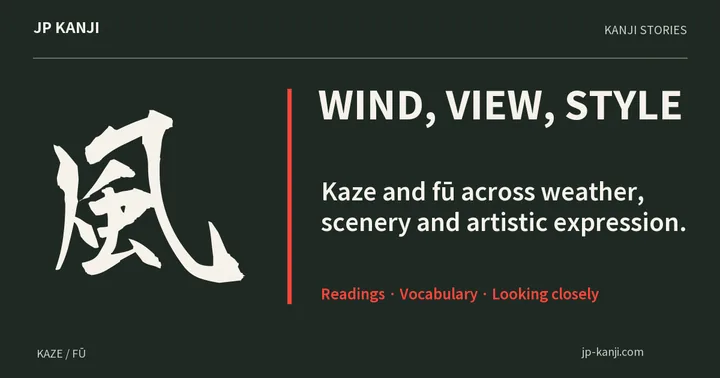
風 appears in words relating to an artist's or writer's style as well as meaning wind. This exercise offers a personal route into that idea: manner can emerge from repeated choices in pace, not only from the subject you choose.
Wear this character