EN · Language
EnglishDeutschFrançaisItalianoEspañol

Everyday stories wa / nagomu

Choose a film together without spending the evening scrolling

Use a small shortlist, a time limit and a clear tie-breaker to reach a choice everyone can accept.

Wear this character

The short answer

To choose a film as a group, first agree on the available time and any content people want to avoid. Then ask each person for one suggestion that fits. A shortlist of real options is easier to discuss than an endless streaming catalogue.

A closer look

Agree on the evening before choosing the title

Check whether each film is actually available through a service or rental everyone has agreed to use. Confirm the language and subtitles too. An attractive title is not a workable choice if the group cannot access it in a suitable version.

Let everyone name acceptable options rather than forcing a single favourite immediately. Choose from the overlap. If there is a tie, use a simple method agreed beforehand, such as rotating the final choice between gatherings.

See it in words

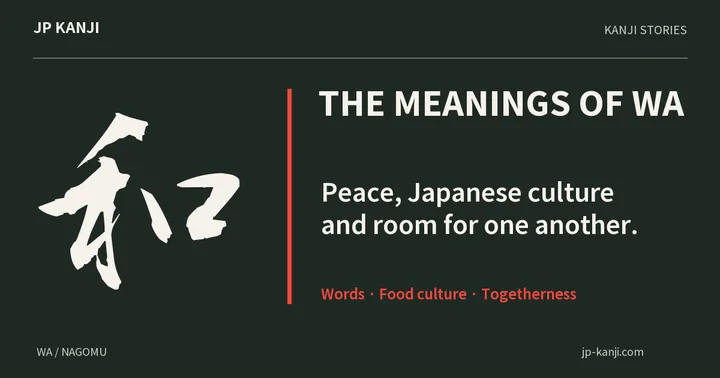
平和
heiwaPeace
調和
chōwaHarmony or balance
和食
washokuJapanese food culture
Examples of usage, not a diagram of the character’s historical development.

A meaning to make your own

A thought to give

For a regular film-night companion, a 和 garment can recall these shared evenings. Choose a design they like independently of the group, and leave the film discussion out of any expectation to wear matching clothing.

Make a gift card

One more question

What if one person always rejects everything?

Ask what would make an option workable and let them suggest something within the same limits. If the preferences do not overlap, a different activity or separate viewing may be more enjoyable than another round of persuasion.

A character to carry with you 和

和 expresses harmony. Choosing together can mean finding a workable overlap while keeping different tastes intact. It is not a promise that the whole group will give the film the same review afterwards.

Wear this character
和

和

Share this story

More about this character 和

All stories →

Sayings & idioms

Getting along without agreeing on everything

A shared aim can leave room for different tastes. An everyday discussion leads to 和して同ぜず and the idea of keeping your own voice.

Read the story

Everyday stories

Sharing a space without needing the same habits

A small agreement about desks, noise and shared objects can make room for different ways of living.

Read the story

Style & making

Coordinated outfits without wearing the same clothes

Plan an outfit together around one shared detail while keeping your own colours, cuts and comfort. A practical idea for friends, partners or a group photo.

Read the story

Everyday stories

Plan a small clothing swap where nobody feels obliged to take something

Make a clothing swap easier with clear expectations, honest condition notes and a plan for items that do not find a new owner.

Read the story
21 more stories

Everyday stories

Start a board-game evening with a practice turn, not a test

Make the first round understandable and agree on the practical rules before competition begins. Different levels of experience can share the same table.

Read the story

Everyday stories

Make a two-person playlist that leaves room for both tastes

Alternate a few song choices for an ordinary listening session. The aim is to share attention, not to prove whose music belongs in the room.

Read the story

Meaning & background

和: harmony, Japanese culture and room for one another

和 appears in words for peace, harmony and Japanese food. See how context changes its meaning and how it can become a thoughtful gift.

Read the story

Everyday stories

Plan a potluck with a dish list that prevents five identical desserts

Coordinate contributions, serving space and kitchen time before everyone starts cooking.

Read the story

Everyday stories

Prepare for an overnight guest when you do not have a spare room

Make sleeping space, belongings and the morning routine clear before your guest arrives.

Read the story

Style & making

Make a party guestbook people can fill in without a speech

Offer a short prompt, an easy writing surface and a place for contributions to dry or stay together.

Read the story

Everyday stories

Keep a shared calendar for friends without sharing your whole life

Record agreed plans, owners and changes while keeping personal schedules private.

Read the story

Style & making

Kanji T-shirt, sweatshirt or hoodie: how to choose the garment

Compare a T-shirt, crewneck sweatshirt, pullover hoodie and zip hoodie for a kanji design. Start with how you will wear it, then inspect the exact product.

Read the story

Giving & choosing

Housewarming gifts for a small home: thoughtful ideas without extra clutter

When space is limited, a useful housewarming gift starts with a question. Compare a shared meal, a specific offer of help and an item the recipient has actually asked for.

Read the story

Giving & choosing

How to organise a small gift exchange with a clear budget and useful wish lists

Agree on participation, spending, timing and preferences before assigning names. A practical plan for a small Secret Santa or another one-gift-per-person exchange.

Read the story

Everyday stories

Set up a shared creative toolkit people can actually return things to

Give each tool a clear home and make unfinished use visible. A small borrowing system can prevent the repeated mystery of the missing scissors.

Read the story

Everyday stories

Write a shared event caption without speaking for everyone

Separate the facts from personal reactions, then check names and images together. A group memory does not need a single compulsory voice.

Read the story

Everyday stories

Make one small invitation work in two languages

Give the practical information equal visibility and ask a reader to check each version. A welcoming invitation begins with details people can actually use.

Read the story

Everyday stories

Write credits for a shared creative project before you forget the details

Make the work around a finished project visible: agree on names, describe contributions and check the credit line together before publication.

Read the story

Culture & objects

What makes a shared meal feel shared?

Preparing, passing and clearing can matter as much as the menu. Washoku offers a cultural starting point for noticing those connections.

Read the story

Style & making

A small colour palette that still feels like you

Try two colours and one accent using clothes or objects you already own. Harmony can include a deliberate difference.

Read the story

Everyday stories

Making room for the quieter person in a conversation

A welcoming gathering needs more than extra chairs. Small changes can make it easier for different people to join in.

Read the story

Everyday stories

Why the quieter part matters in an ensemble

A melody may stand out while another part makes it possible. Use a simple listening exercise to notice the work around the centre.

Read the story

Everyday stories

When a shared plan changes: making the new version clear

A changed time or cancelled contribution can leave people imagining different plans. Write the next agreement in plain language.

Read the story

Words & readings

Wa in context: peace, harmony and Japanese clothing

Compare heiwa, chōwa and wafuku to see why 和 cannot always be translated as “peace”.

Read the story

Giving & choosing

A 和 thank-you gift for the person who brings people together

Recognise a host, teammate or friend through one specific moment of care, without asking them to keep everyone happy.

Read the story

Another character, another perspective

All stories →

Everyday stories

Choose a quiet evening hobby for a shared apartment

Consider setup noise, light, storage and the other people using the space before choosing the activity.

Read the story

Everyday stories

Lending a favourite object without leaving the important things unsaid

A book, jacket or small tool can carry personal meaning. Agree on its use and return so that sharing does not depend on guesswork.

Read the story

Everyday stories

Recommend a favourite book without giving your friend homework

Explain the connection behind a recommendation, offer a small starting point and leave space for a different response.

Read the story