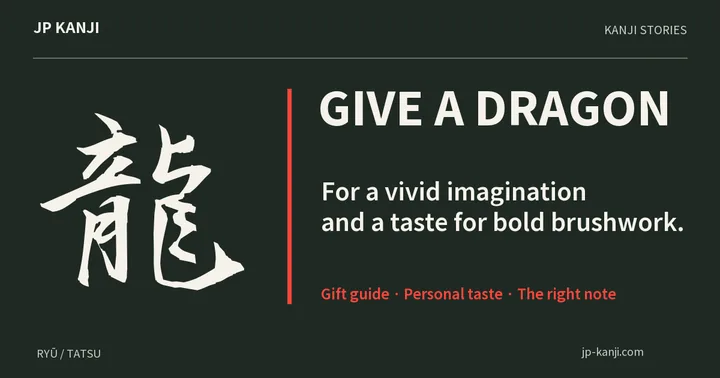
Everyday stories ryū / tatsu
Write an artwork label that gives a viewer somewhere to begin
Describe one visible decision, name the material and keep your personal interpretation distinct. A small label can invite looking without dictating it.
Wear this characterStart with a scene
You have placed an imagined creature on a shelf, but the label underneath says only “My art”. At the opposite extreme, a full page of explanation leaves little room to look at the object. Try a short label with a title, a material and one particular decision. “Paper dragon, made from the folds of a delivery box” gives the viewer something concrete to find in front of them.
A closer look
Offer a doorway into the work
Separate description from intention. “The tail forms the base” identifies something visible; “I wanted the creature to seem reluctant to leave” explains your idea. Neither sentence has to become a universal reading. Avoid assigning a historic meaning to a colour or gesture unless you have researched that precise claim. For an invented piece, saying what you chose is both clearer and more interesting than borrowing an impressive-sounding authority.
Read the label beside the actual work, at the distance someone would stand. Remove details they cannot use without a long detour into your entire process. If the work borrows a recognisable design, resolve permission and acknowledgement separately; a charming label does not settle those questions. Keep the text with a photograph of the finished piece so the right description accompanies it when it moves or is shared.
See it in words
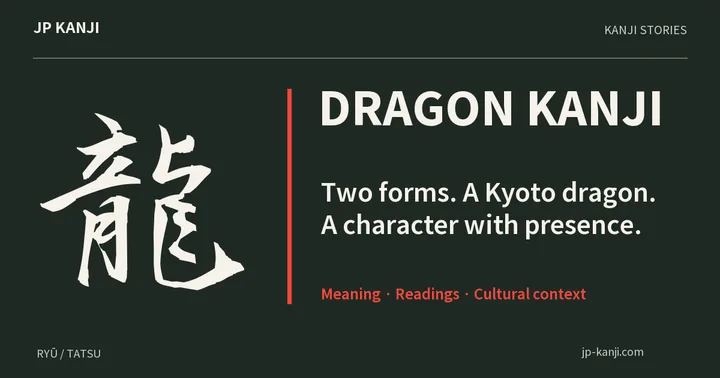
- 龍
- ryū / tatsuThe fuller form used in our design
- 竜
- ryū / tatsuAnother Japanese form for dragon
- 龍神
- ryūjinA dragon deity
A meaning to make your own
A thought to give
For a maker, write a small label about one piece you remember enjoying. It can make a dragon-themed gift feel connected to their actual work, without pretending to speak on their behalf as an artist.
Make a gift cardOne more question
Must the label tell viewers what they should feel?
No. Give them information that helps them look, and leave room for a different reaction. You can name your intention as your own without presenting it as the only valid response to the piece.
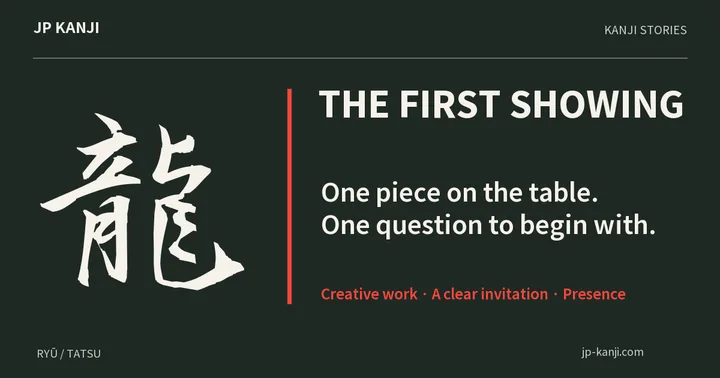
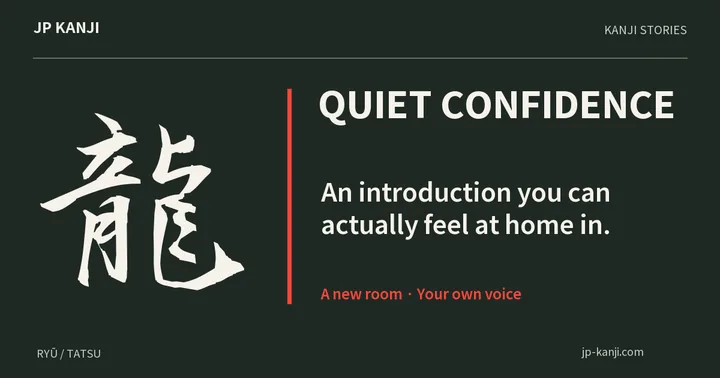
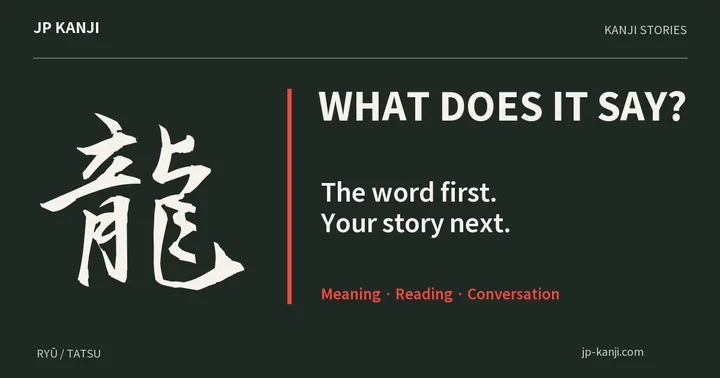
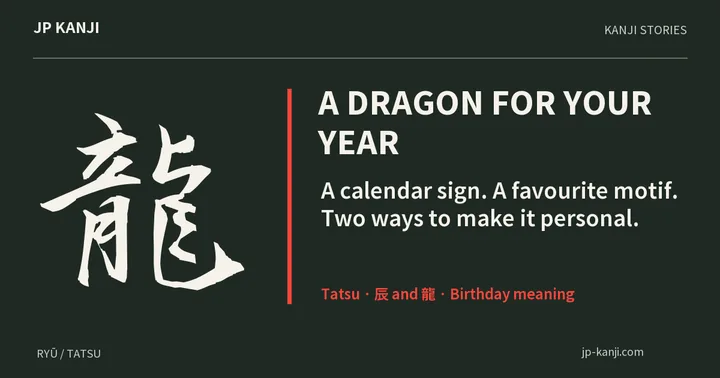
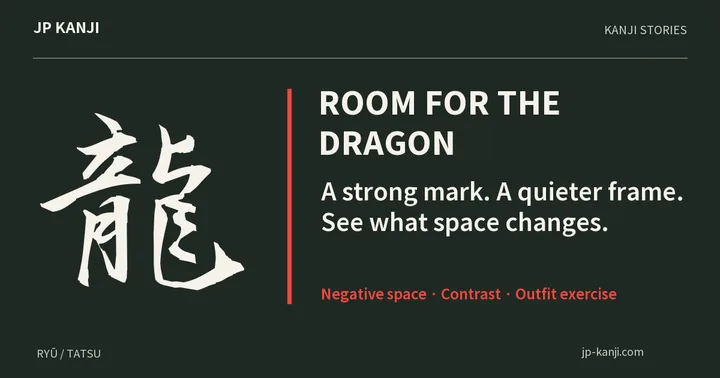
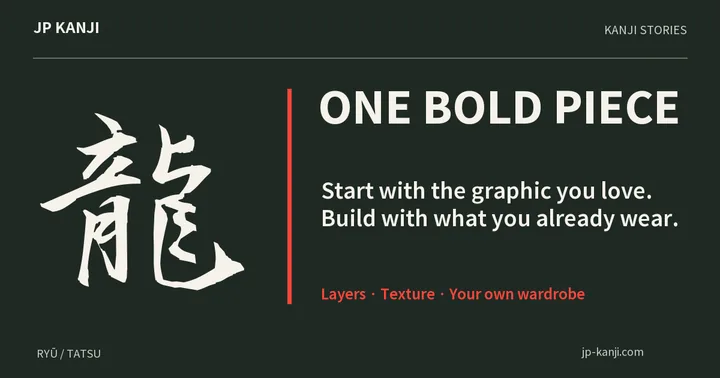
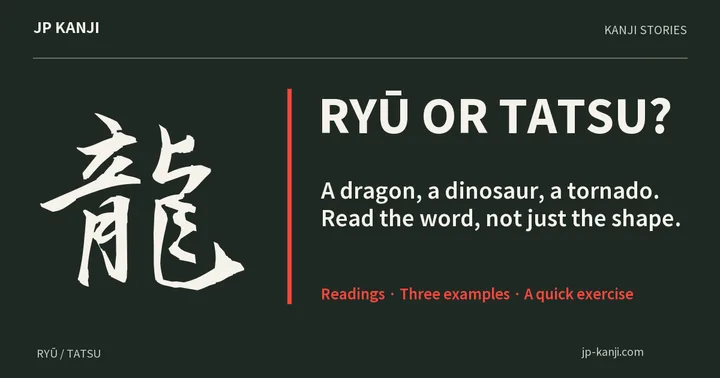
A character to carry with you 龍
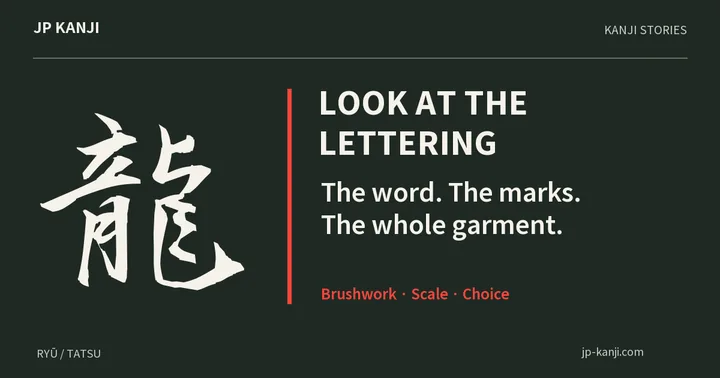
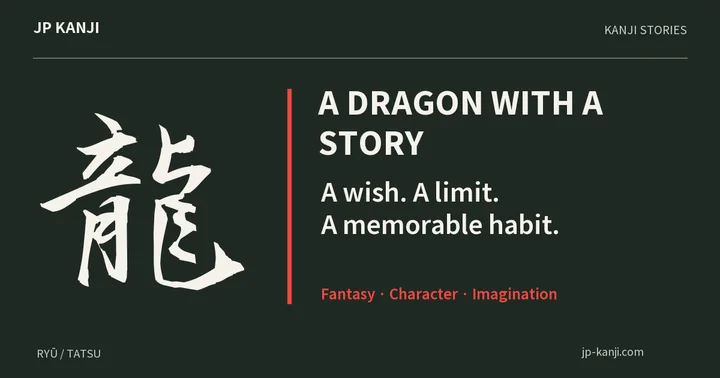
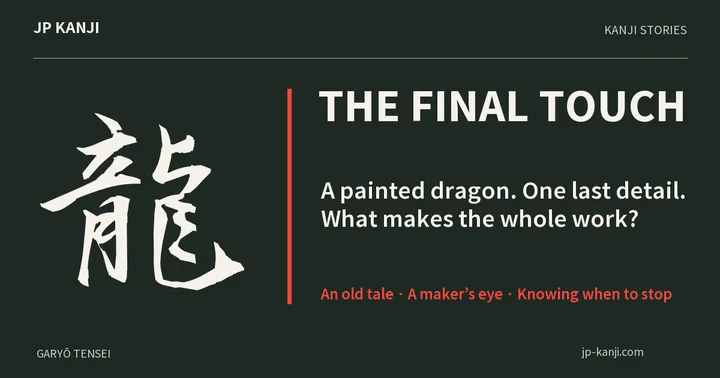
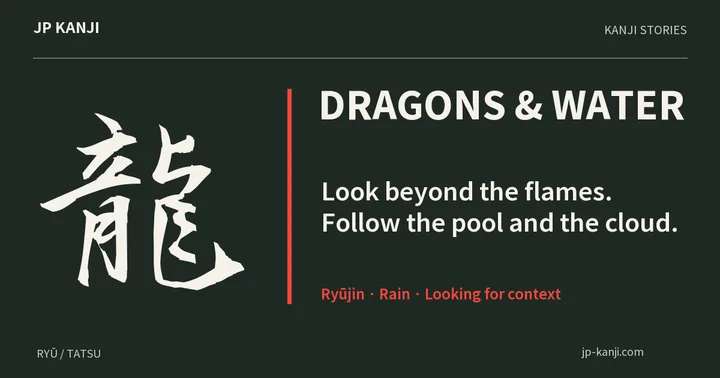
龍 names the dragon. When that character appears on a garment or beside an original drawing, you can explain the literal word and then your own interest in it. Keeping those two levels distinct lets the meaning stay clear and the personal story stay personal.
Wear this character