Everyday stories michi / dō
Compare two creative workshops beyond the finished sample photograph
Check the teaching, the materials and what you will do yourself.
Wear this characterStart with a scene
Two workshops can show similar finished objects while offering very different experiences. Before choosing, write what you want to learn: handling a tool, understanding a process or spending a relaxed afternoon making something. Use that purpose to compare the actual descriptions.
A closer look
Compare the learning experience
Make four columns for prerequisites, materials, teaching format and work you complete yourself. Note unknown details as questions. A photograph of a polished sample does not establish that beginners make every part, take home the same item or receive individual guidance.
Ask the organiser about practical needs before booking: duration, breaks, access, what to bring and what happens if the project is unfinished. Check current prices and cancellation conditions directly. A longer session is not automatically better if its pace or setup does not suit you.
See it in words
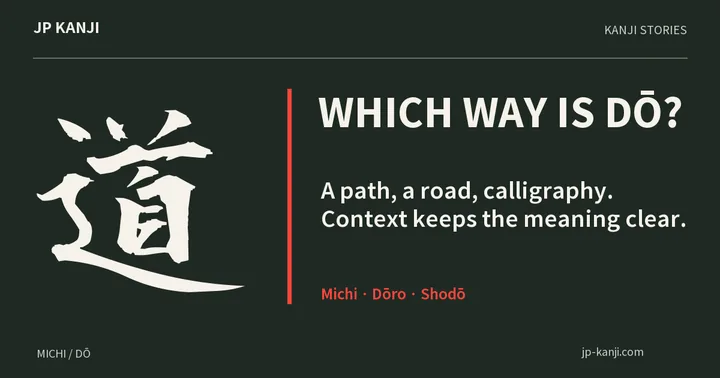
- 道
- michiA road or path
- 書道
- shodōCalligraphy
- 柔道
- jūdōJudo
A meaning to make your own
A thought to give
For a workshop gift, discuss the format and date before buying. A road motif can be an optional accompanying object, with the recipient choosing a comfortable fit.
Make a gift cardOne more question
What if both descriptions are vague?
Send the same concrete question to both organisers. Their answers may clarify the difference; if the essential details remain unknown, postpone the decision rather than guessing.
A character to carry with you 道
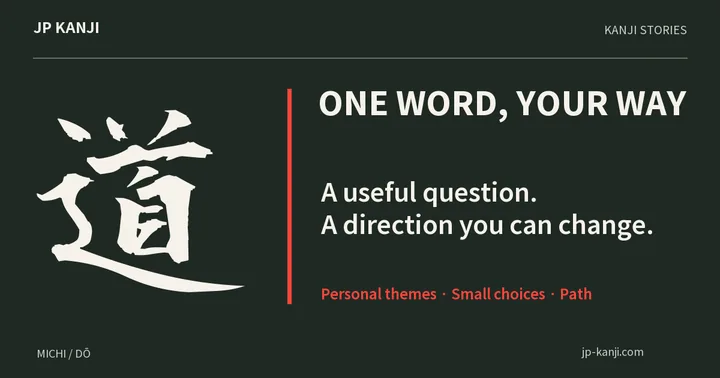
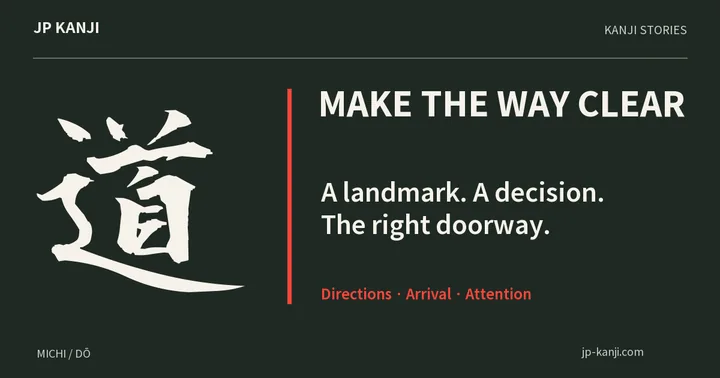
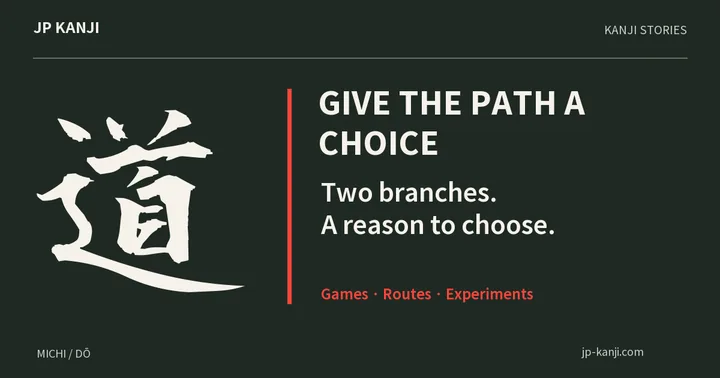
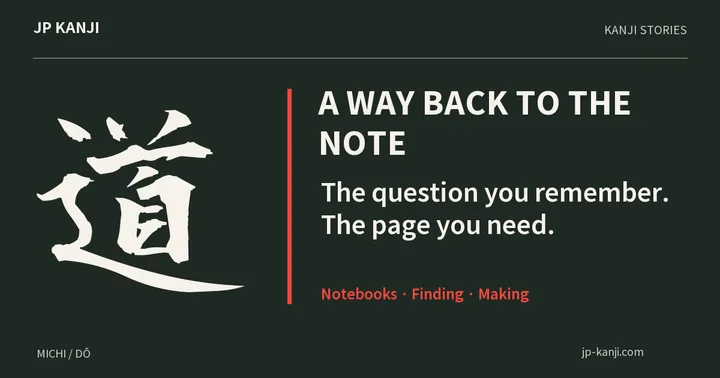
道 means road or way. In this context it can represent a personally chosen route into learning, not a guarantee that a particular workshop belongs to a traditional Japanese discipline.
Wear this character