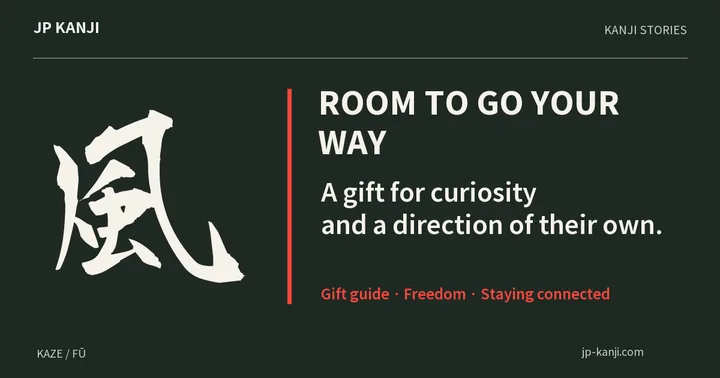
Style & making kaze / fū
Organise a small clothes rail without turning it into a display you cannot use
Choose what needs hanging, leave handling room and keep the everyday route clear.
Wear this characterThe short answer
A small clothes rail works best when it has a clear purpose. Decide whether it holds your everyday wardrobe, a few planned outfits or pieces waiting to be put away. Mixing all three jobs can make a small rail feel full even when you own relatively few clothes.
A closer look
Start with the clothes you reach for this week
Follow the rail’s load and assembly instructions, then choose garments that benefit from hanging. Fold suitable items elsewhere if you have the space. Leave enough room to remove one hanger without dragging several others along with it.
Group clothes by how you use them: current layers together, longer pieces at one end or complete outfits beside each other. Use an arrangement you can repeat after laundry. A perfect colour gradient is optional if it makes finding things slower.
See it in words
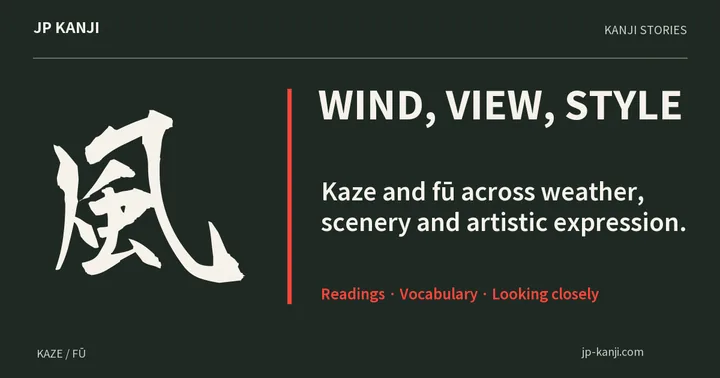
- 風
- kazeWind
- 風景
- fūkeiScenery
- 和風
- wafūJapanese style
A meaning to make your own
A thought to give
Before adding another piece, decide where it will live and how it combines with the clothes already there. Compare the actual shape and fit rather than choosing only because the product photograph looks good on a tidy rail.
Make a gift cardOne more question
Do all the hangers have to match?
No. Suitable hangers for the garments matter more than visual uniformity. Matching ones may help you judge spacing, but replacing useful equipment is not required to make a small rail easier to use.
A character to carry with you 風
風 can connect with the idea of personal style through words such as 作風. A small selection of garments you enjoy, including a 風 graphic if you like it, can express that style without requiring an overflowing display.
Wear this character