Style & making bi / utsukushii
Make handwritten place cards guests can read from their seats
Test the name, contrast and folded shape before decorating a whole set.
Wear this characterThe short answer
A place card has one essential job: help a guest recognise where they are meant to sit. Confirm the name and spelling before choosing a decorative style. Write a sample at the actual size, then read it from the distance of a seated person.
A closer look
Write the name at the size it will be read
Choose paper that stands reliably in the form you plan to use. Test the fold with a blank card and check whether the writing will face the guest. Strong contrast usually makes the name easier to read than a pale decorative ink on a busy background.
Make one complete card before producing the set. Allow the ink to dry and check whether it transfers when cards are stacked. Keep flourishes away from letters that could become ambiguous, especially when guests do not know one another’s names.
See it in words
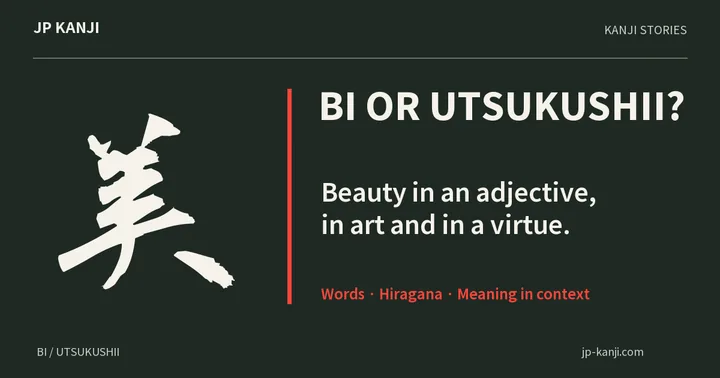
- 美
- biBeauty; read bi in many words
- 美しい
- utsukushiiBeautiful
- み
- miHiragana mi, historically linked to cursive 美
A meaning to make your own
A thought to give
For a host gift, a personal note may matter more than coordinated decoration. If choosing a garment with 美, check the recipient’s actual colour and fit preferences separately from the event’s table palette.
Make a gift cardOne more question
Do all names need identical lettering?
They need a consistent, readable treatment, but names differ in length. Adjust spacing or size gently rather than squeezing a long name into a design that only suits short ones.
A character to carry with you 美
美 can describe beauty found in a useful detail that has been considered carefully. Legibility and a pleasing shape can work together. On clothing, the character has its own brushwork; it need not be copied as a handwriting lesson.
Wear this character