Style & making ryū / tatsu
Make a fantasy map legend that explains how your world works
Give a few symbols clear jobs before filling an imaginary map with decorative detail.
Wear this characterThe short answer
A fantasy map becomes useful when its symbols tell a reader something they need to know. Start with a tiny area and three categories, such as settlements, difficult crossings and places a creature avoids. Draw each symbol beside a plain-language explanation.
A closer look
Let the symbols answer story questions
Test those symbols at the size they will appear on the finished map. Two marks that look different when enlarged may merge on a small page. Pair colour with shape so the legend still makes sense in a simple black-and-white copy.
Add one rule that affects a journey. Perhaps a dragon can land only near broad water, or a mountain pass closes in your fictional winter. Show the consequence on the map instead of explaining an entire invented history in its legend.
See it in words
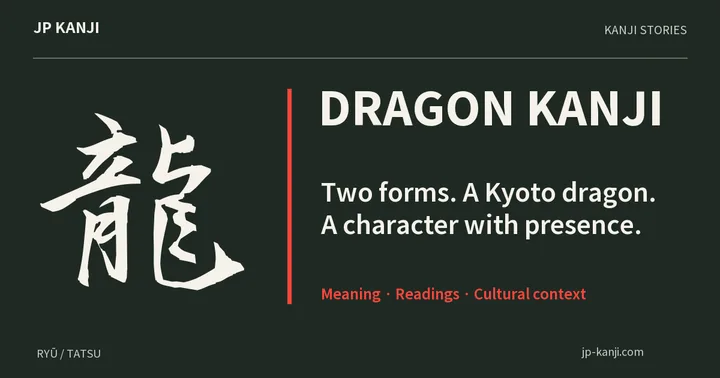
- 龍
- ryū / tatsuThe fuller form used in our design
- 竜
- ryū / tatsuAnother Japanese form for dragon
- 龍神
- ryūjinA dragon deity
A meaning to make your own
A thought to give
For a map-loving friend, include a small key explaining your invented places. If adding clothing, let them choose the available size and colour rather than treating the map’s palette as a shopping instruction.
Make a gift cardOne more question
Does a fantasy map need a scale?
Only when distances matter to the story or activity. If it is a symbolic map, say so. Avoid drawing a precise-looking scale that you have not used consistently.
A character to carry with you 龍
龍 means dragon. It can inspire a fictional creature, but its real meaning should remain distinct from rules invented for your world. A character on a garment expresses that interest without reproducing the whole imaginary map.
Wear this character