Everyday stories ryū / tatsu
Host a book swap with clear rules for the books left at the end
Make ownership, condition and the final destination of unclaimed books clear before guests arrive.
Wear this characterThe short answer
For a small book swap, tell guests whether a book is being given away or offered for a temporary loan. Mixing those two arrangements causes avoidable confusion. Invite only books their owners are ready to release, and agree on a manageable number per person.
A closer look
Explain what bringing a book means
Ask for a brief condition note: writing inside, a missing jacket or an unfamiliar language may matter to the next reader. Keep volumes from a series together when separating them would be frustrating. A recommendation card can describe the appeal without revealing the ending.
Choose a fair browsing method that suits the group, such as taking turns to choose one book before a second round. Nobody should have to take a title just to balance a tally. Leave room for conversation and for people to go home empty-handed.
See it in words
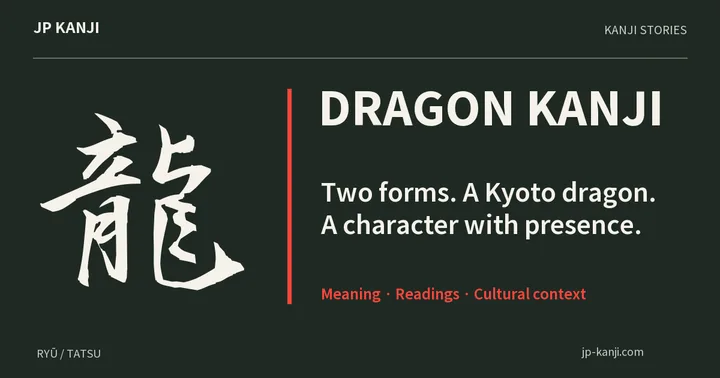
- 龍
- ryū / tatsuThe fuller form used in our design
- 竜
- ryū / tatsuAnother Japanese form for dragon
- 龍神
- ryūjinA dragon deity
A meaning to make your own
A thought to give
A host’s thank-you can be a note naming a recommendation you enjoyed. If you choose a garment as well, make it about the person’s taste and preferred fit, not a reward for bringing the most books.
Make a gift cardOne more question
Should valuable editions be included?
Keep valuable or sentimental books outside a casual swap unless their owners have made a fully informed choice. An informal exchange is not an appraisal of an edition’s worth.
A character to carry with you 龍
龍 means dragon and may be one shared interest among readers with quite different shelves. A dragon character on clothing can invite that conversation without suggesting that everyone must enjoy the same fictional world.
Wear this character