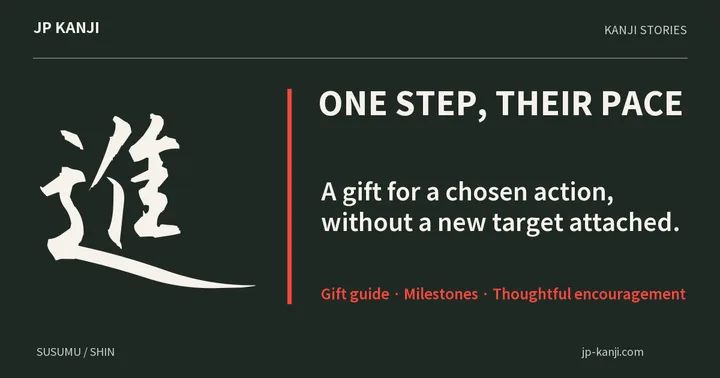
Style & making susumu / shin
Make a reusable setup checklist that survives the second event
Record actions in the order they happen and test whether another person can use the list.
Wear this characterThe short answer
A reusable setup checklist should describe what needs doing, in the order people will do it. “Put the signs at both entrances” is more useful than “signs.” Start with a real event or activity you know, rather than trying to predict every possible future situation.
A closer look
Write the action, not just the object
Separate preparation, setup and closing tasks. Add an owner where a job could otherwise be assumed to belong to everyone. Keep quantities or locations beside the relevant action so they do not need to be recovered from another message.
Mark tasks that depend on something else happening first. For example, check the room arrangement before placing printed directions. Leave space for exceptions, but avoid filling the main list with rare scenarios that make ordinary steps hard to find.
See it in words
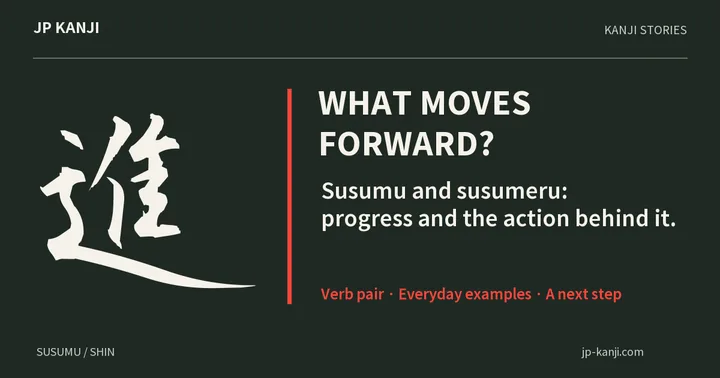
- 進む
- susumuTo move forward
- 進める
- susumeruTo move something forward
- 前進
- zenshinForward movement
A meaning to make your own
A thought to give
For the person who improves a group’s practical routines, a 進 design can recognise that contribution. Make it a thank-you for a specific improvement, not an assignment to manage every future event.
Make a gift cardOne more question
Should I tick every item even when it does not apply?
Use a clear “not applicable” mark and a brief reason where useful. A tick should mean the action was completed. Distinguishing exceptions keeps the record honest and helps improve the next version.
A character to carry with you 進
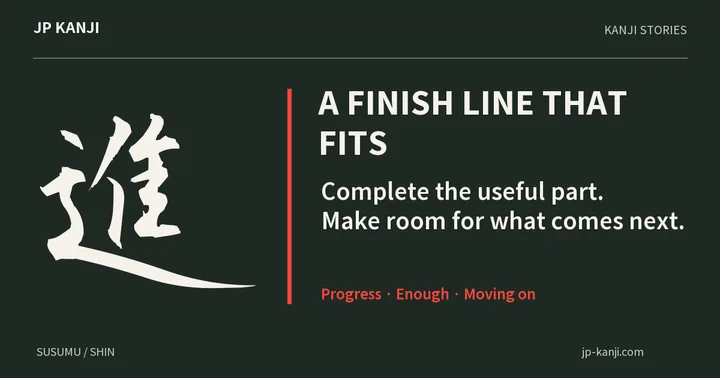
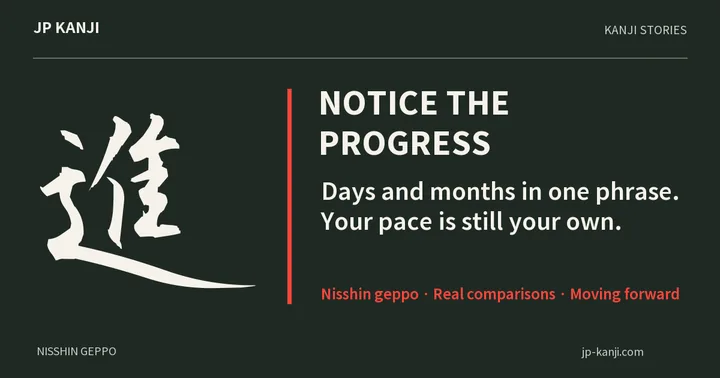
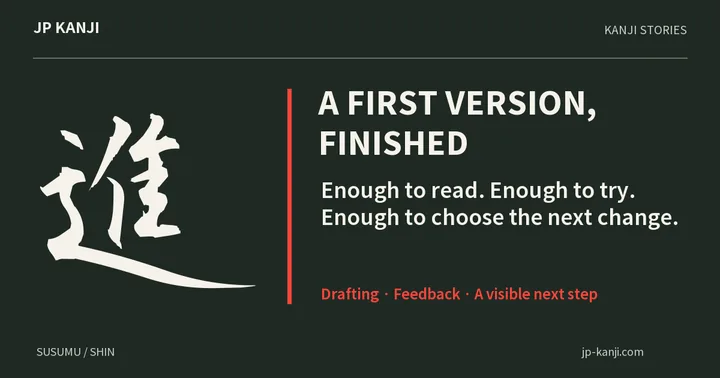
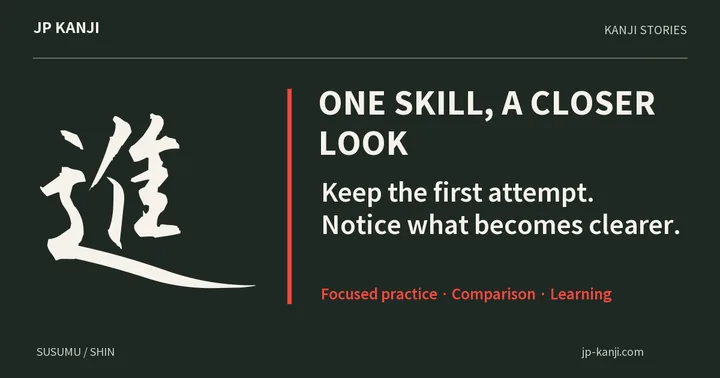
進 means moving forward. A good checklist helps the next attempt begin with what you learned, instead of repeating the same avoidable search. It supports attention; it does not remove the need to notice what is different today.
Wear this character