Style & making kaze / fū
Wear a scarf with a graphic T-shirt without covering the whole design
Choose the scarf’s placement after seeing how it sits over the printed area.
Wear this characterThe short answer
A scarf and a graphic T-shirt can compete for the same space. Start by deciding which detail you want to notice first. If the shirt’s lettering is the focus, try a scarf arrangement that leaves its central area visible rather than adding more volume directly over it.
A closer look
Give the scarf and the print different jobs
Use a scarf you can wear comfortably for the weather and activity. Look at where the ends fall when you walk or sit. An arrangement that clears the print only while you hold still may not suit an ordinary day.
Connect the pieces through one colour or a difference in texture. A plain scarf can give a busy print room, while a patterned scarf may work when its scale differs from the design. Compare the actual garments in natural light when possible.
See it in words
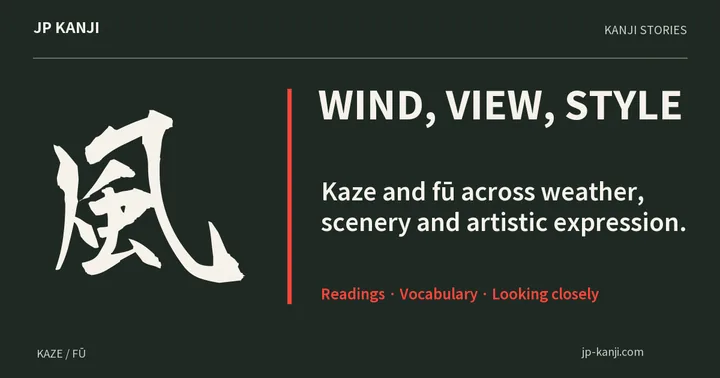
- 風
- kazeWind
- 風景
- fūkeiScenery
- 和風
- wafūJapanese style
A meaning to make your own
A thought to give
If giving a scarf and tee together, let the recipient choose how to combine them. Confirm the shirt’s available fit and size; the scarf’s flexibility does not make clothing measurements irrelevant.
Make a gift cardOne more question
Does a scarf have to match the print colour?
No. A shared tone can help, but a deliberate contrast can also work. The practical question is whether the combination leaves the detail you care about visible.
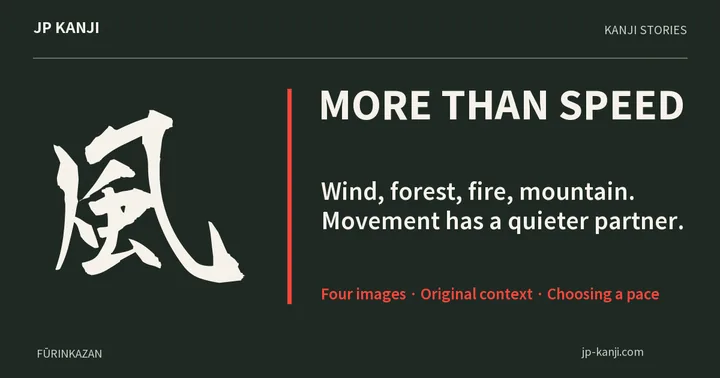
A character to carry with you 風
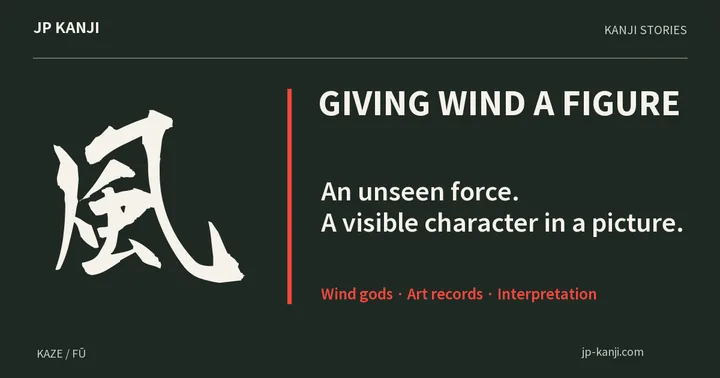
風 means wind. It can link the movement of a scarf with the brushwork on a shirt, but that is a styling association rather than a statement about fabric. The actual garment should keep its own visible colour and print.
Wear this character