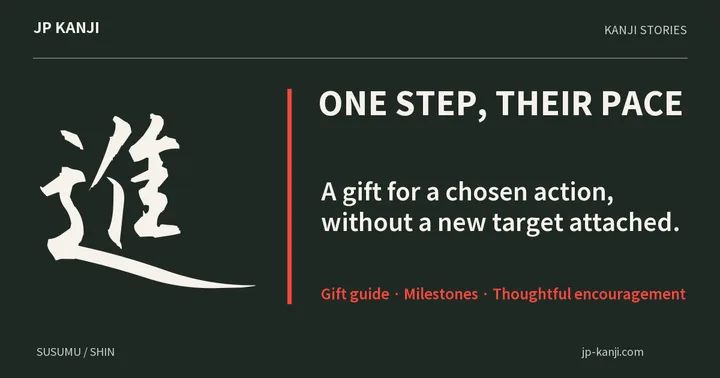
Style & making susumu / shin
Make a materials-cost sheet for a small handmade project
Track quantities used and what remains before treating a purchase total as the cost of one item.
Wear this characterThe short answer
For a small handmade project, record each material, the purchased quantity and its cost. Then note how much the project actually used. A pack of twenty cards bought for ten units of currency does not make one card’s material cost ten; the unused cards remain available.
A closer look
Separate the package you bought from the amount you used
Use consistent units and label estimates clearly. If you cannot measure an adhesive precisely, record a reasonable method for estimating its use rather than presenting a guess as an exact figure. Keep receipts or source notes so the calculation can be checked later.
List damaged or experimental pieces separately when they belong to the project. Include packaging that you actually use. Shared tools, your time and other expenses need their own treatment; a materials total alone is not a complete selling-price or profit calculation.
See it in words
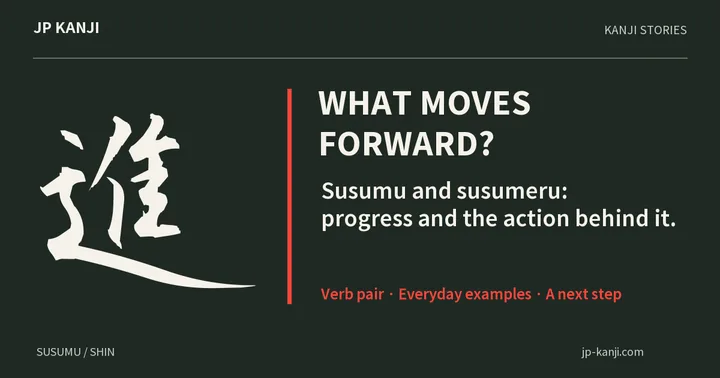
- 進む
- susumuTo move forward
- 進める
- susumeruTo move something forward
- 前進
- zenshinForward movement
A meaning to make your own
A thought to give
If choosing a gift for a maker, ask which materials they actually use. A related character garment can be a personal alternative, provided its fit and colour suit them rather than merely matching the project’s palette.
Make a gift cardOne more question
Does the materials total tell me what to charge?
No. Pricing may involve time, overheads, fees, taxes and other factors. This sheet answers a narrower question: what materials were used, and what did that use cost?
A character to carry with you 進
進 means moving forward. Here it can describe learning from a small, visible calculation before making more items. A garment carrying the character may mark that approach, without promising that a creative project will become profitable.
Wear this character