Everyday stories ryū / tatsu
Introduce a roleplaying character without reading out a biography
Give the table an action, a useful detail and a reason to join in.
Wear this characterStart with a scene
A first character introduction works best when it gives the other players something to do. Instead of explaining twenty years of invented history, describe an immediate action: your mapmaker is trying to keep a wet map open beside the tavern door.
A closer look
Start with something the others can respond to
Add one visible detail and one reason to cooperate. A patched travelling coat tells the table more than a list of virtues. A need to reach the same harbour gives strangers a reason to speak. Keep secrets in your notes until the game makes them relevant.
Write a three-line card: what people see, what your character wants today, and a question for another player. Agree with the group on tone and boundaries before using conflict as an introduction. Nobody needs to perform an accent or disclose personal experiences.
See it in words
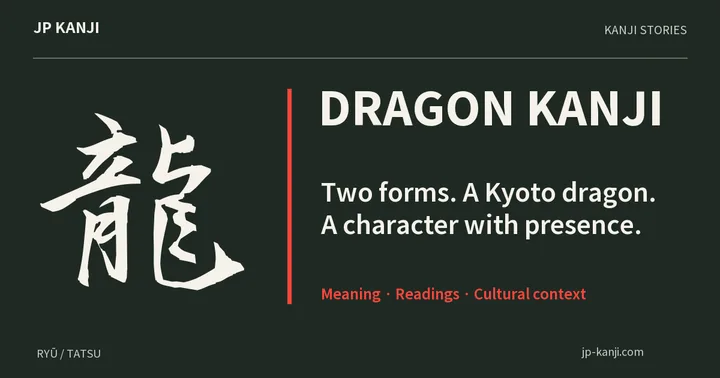
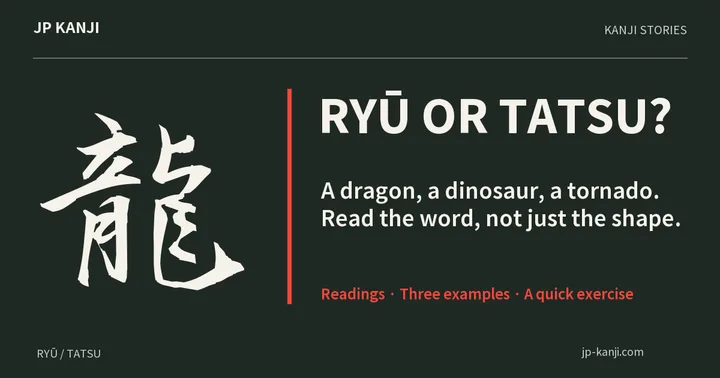
- 龍
- ryū / tatsuThe fuller form used in our design
- 竜
- ryū / tatsuAnother Japanese form for dragon
- 龍神
- ryūjinA dragon deity
A meaning to make your own
A thought to give
For a regular game night, choose a comfortable fit that works while seated. A character shirt is an optional personal detail, not a costume requirement.
Make a gift cardOne more question
What if I prefer a quiet character?
Give them a small observable action or a practical question. Quietness can shape the role without making the other players invent every reason to include it.
A character to carry with you 龍
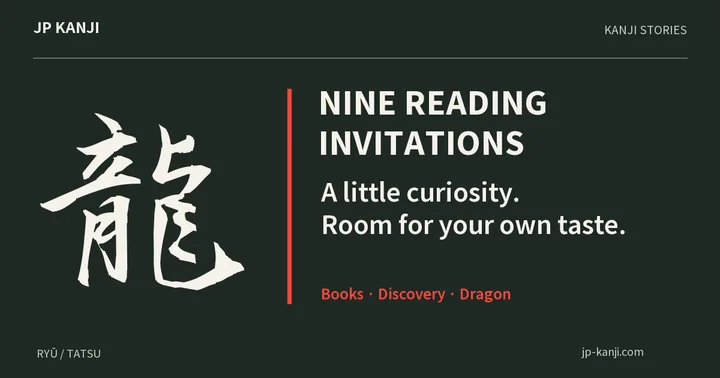
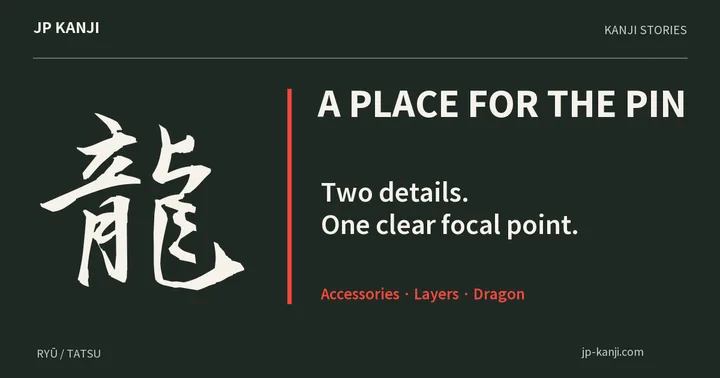
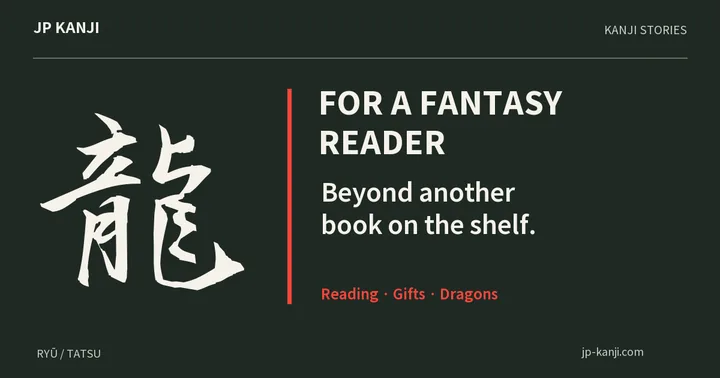
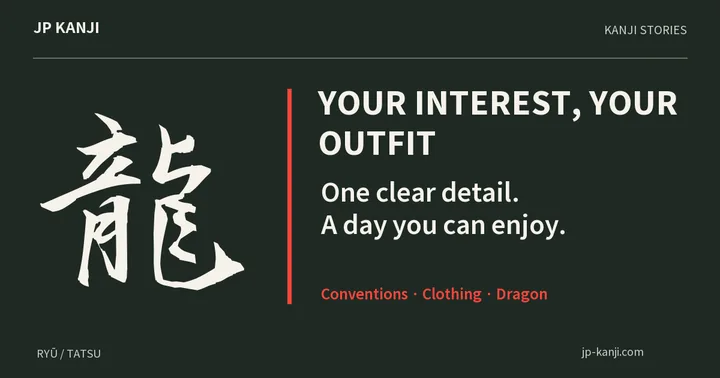
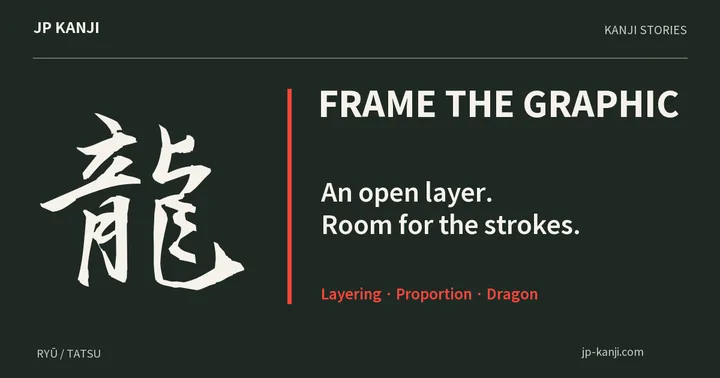
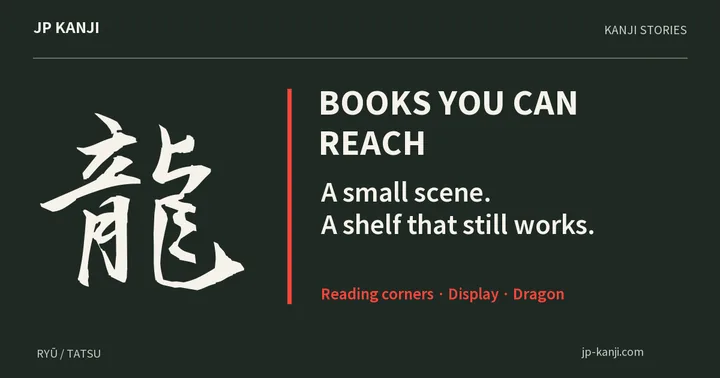
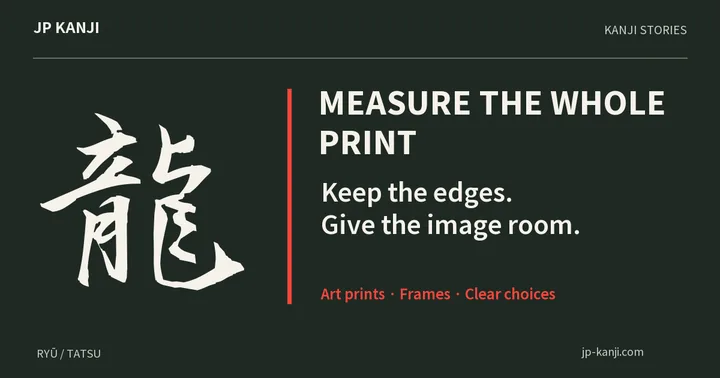
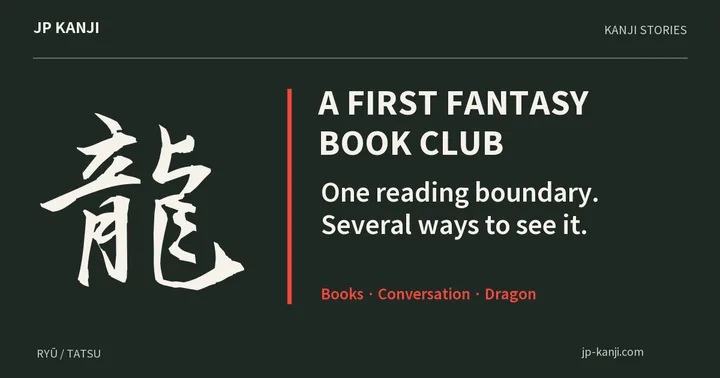
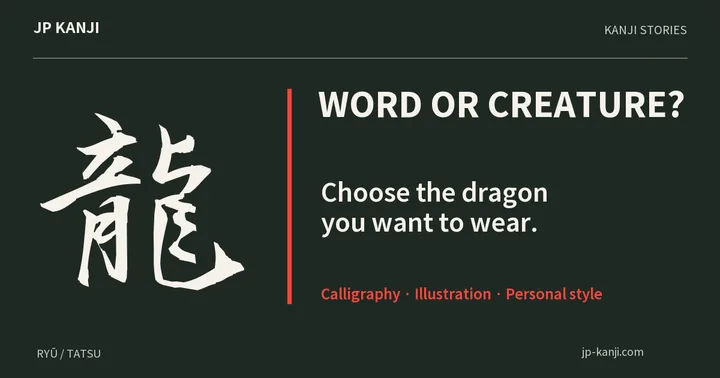
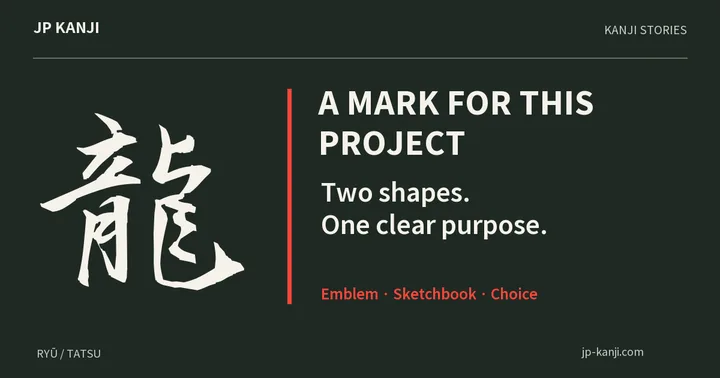
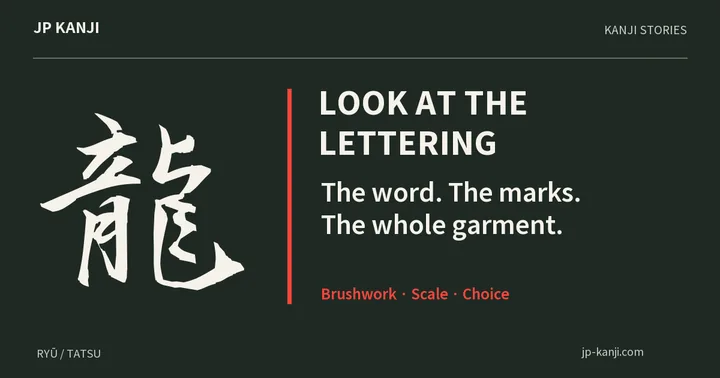
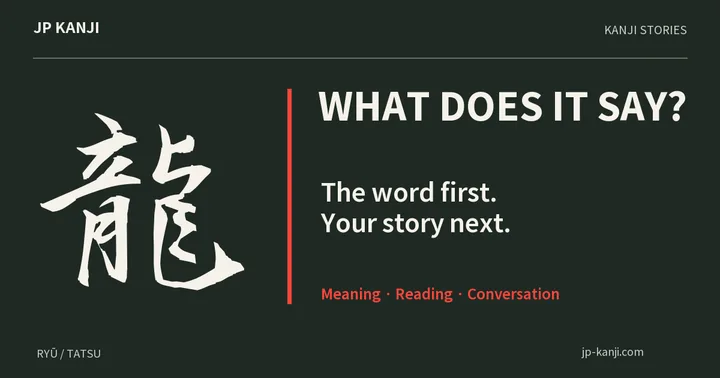
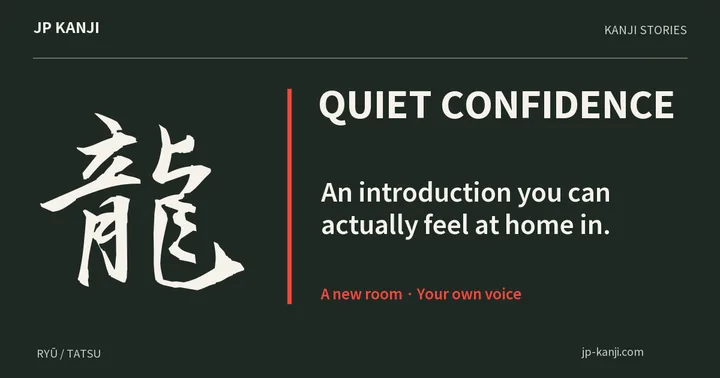
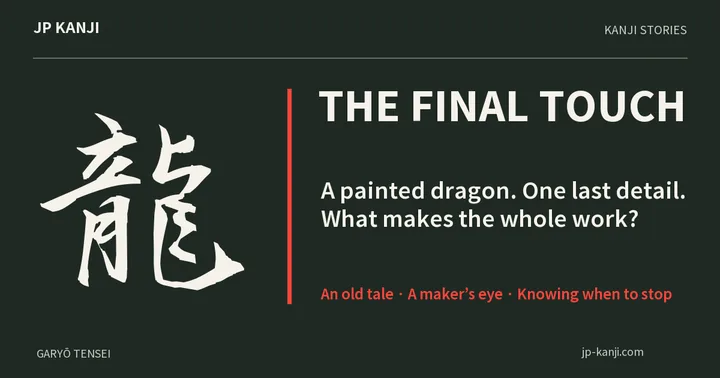
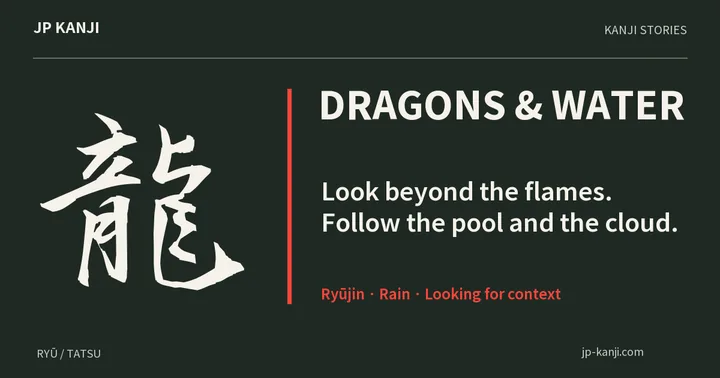
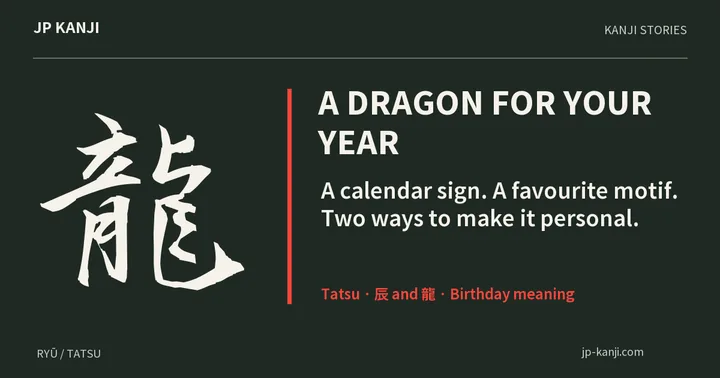
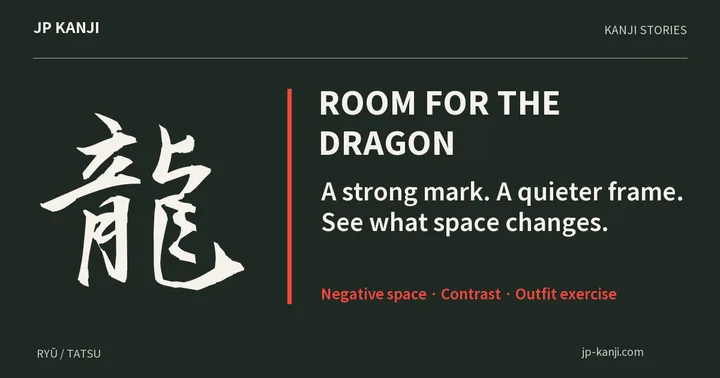
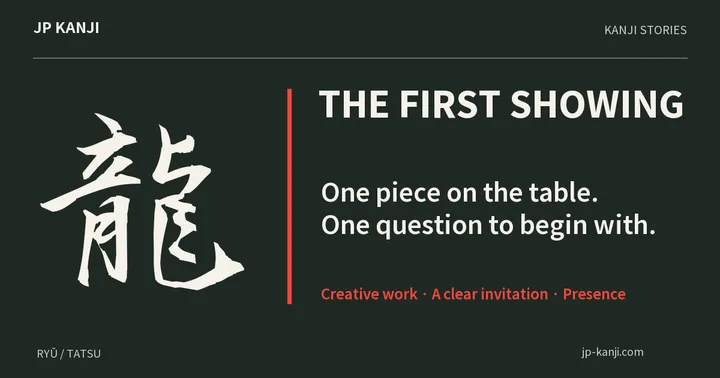
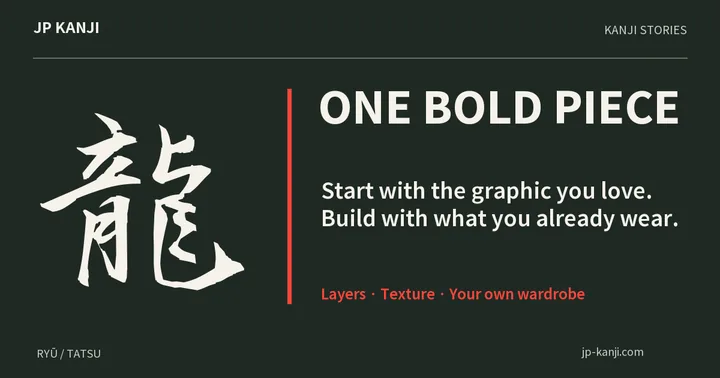
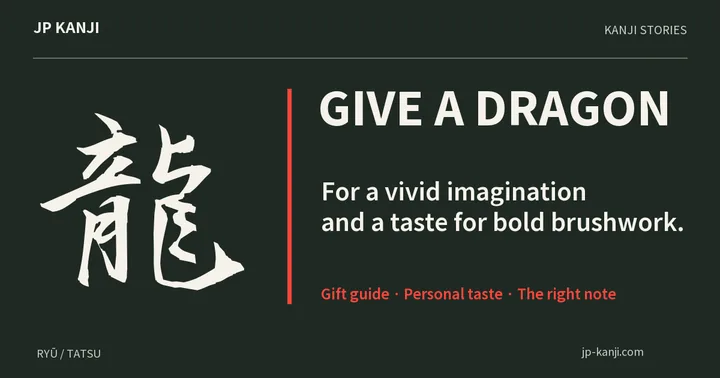
龍 means dragon. A dragon motif can signal your interest in fantasy while leaving your character's identity to the story you build together.
Wear this character