Style & making ryū / tatsu
Design a personal bookplate before printing a whole sheet
Test a name, a small emblem and the real space inside the book.
Wear this characterStart with a scene
A personal bookplate only needs to identify whose book it is. Start with your preferred name and a small emblem, then measure an ordinary book from your own shelf. A label designed on a large screen can feel enormous inside a paperback.
A closer look
Make one full-size paper trial
Draw a rectangle at the intended size and print or copy one trial on plain paper. Place it loosely inside the cover. Check the smallest letters under ordinary reading light, and make sure the emblem does not compete with the owner's name.
Choose how you want to use it before ordering adhesive labels. A loose ownership card avoids sticking anything into a book. For valuable, borrowed or sentimental volumes, leave the book unchanged. Do not use a personal bookplate to conceal an existing owner's details.
See it in words
- 龍
- ryū / tatsuThe fuller form used in our design
- 竜
- ryū / tatsuAnother Japanese form for dragon
- 龍神
- ryūjinA dragon deity
A meaning to make your own
A thought to give
A set of loose cards makes a flexible reader's gift. If adding a dragon garment, choose the fit separately; an interest in books does not determine clothing preferences.
Make a gift cardOne more question
Should I put my address on it?
A name or chosen contact method may be enough. Think about where a lost or donated book could travel before printing private details into every copy.
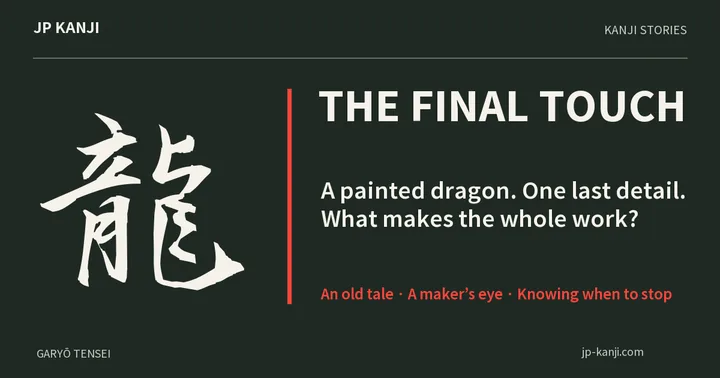
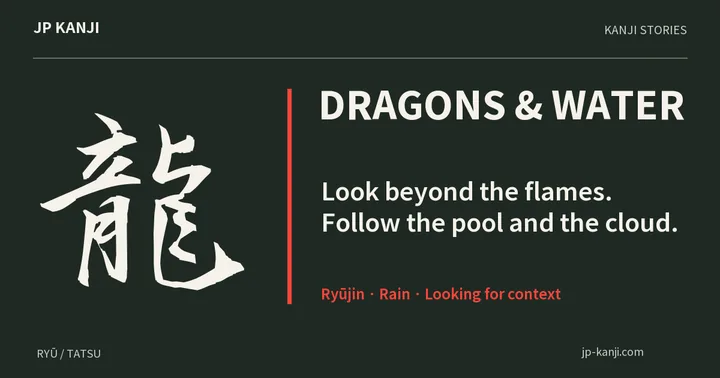
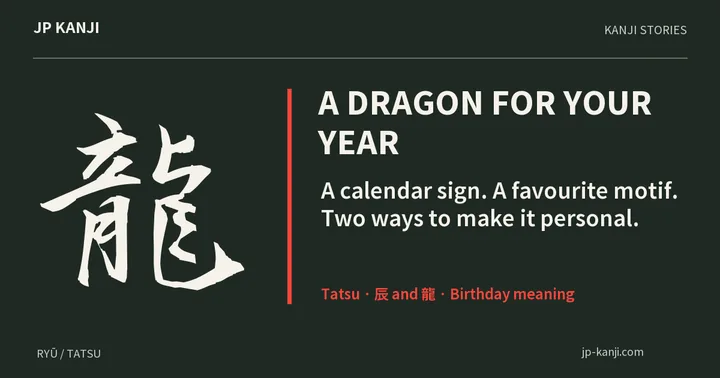
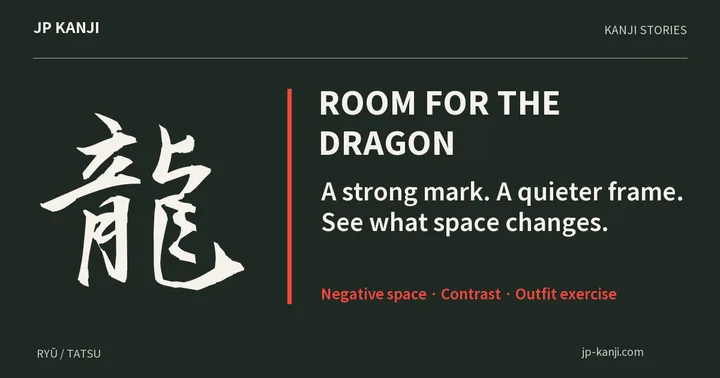
A character to carry with you 龍
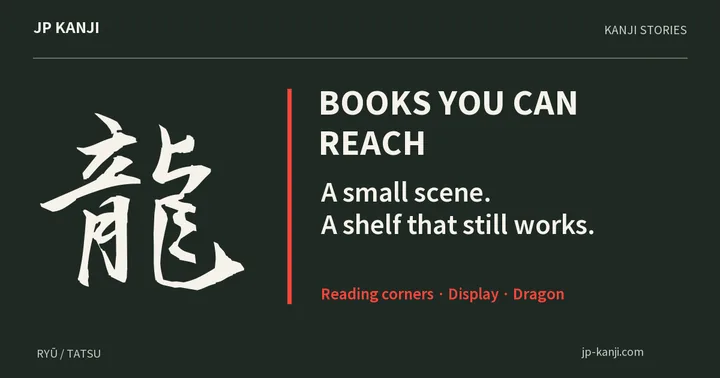
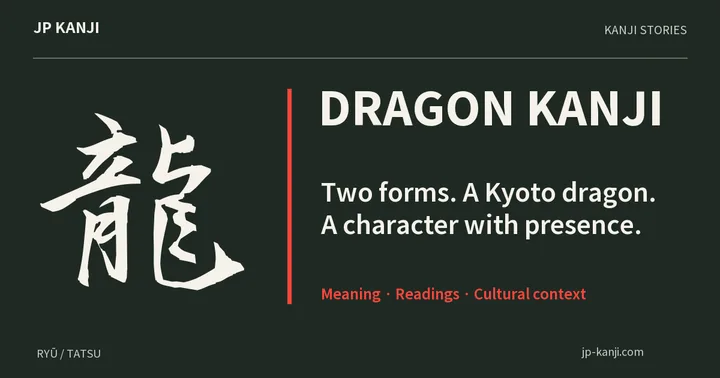
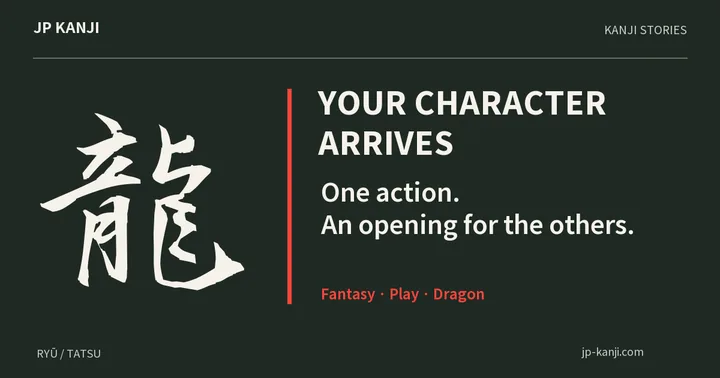
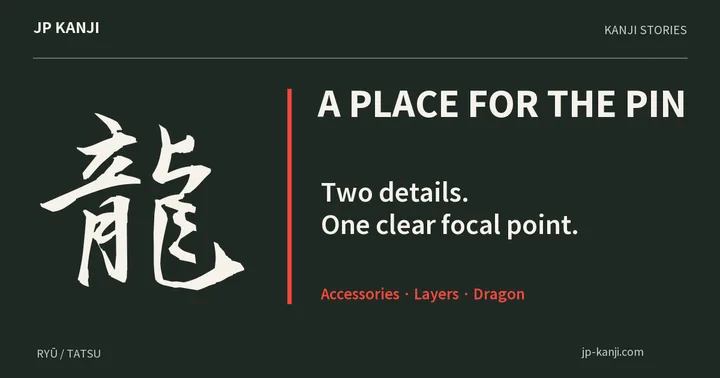
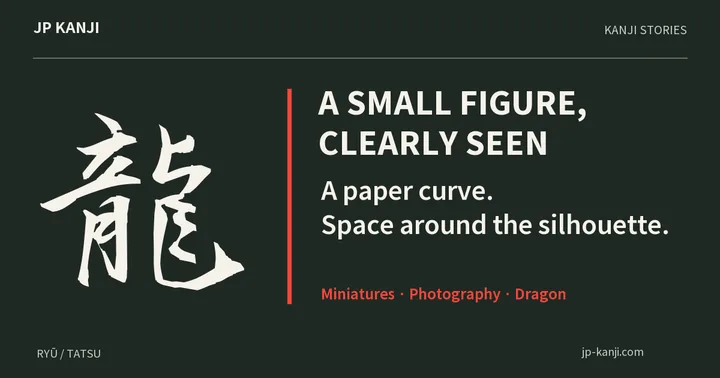
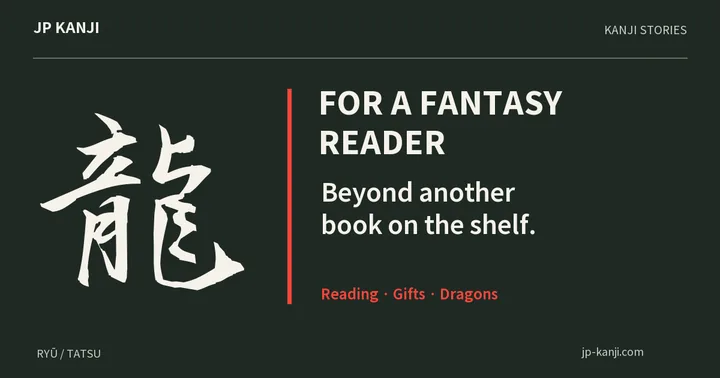
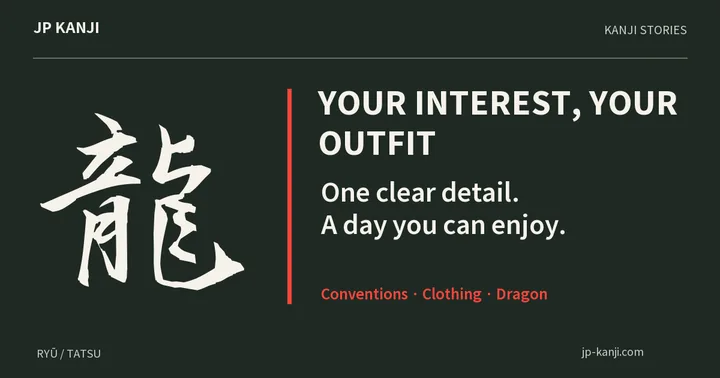
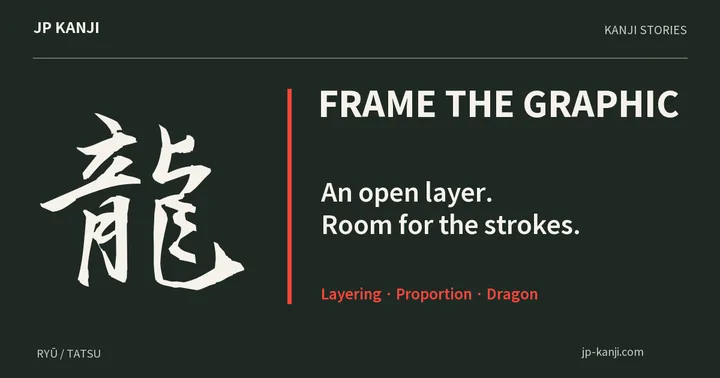
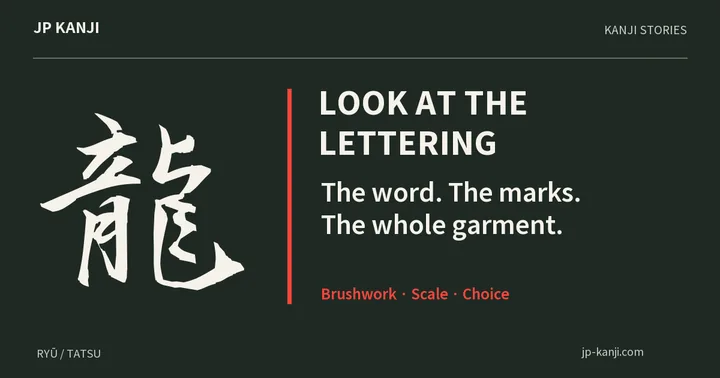
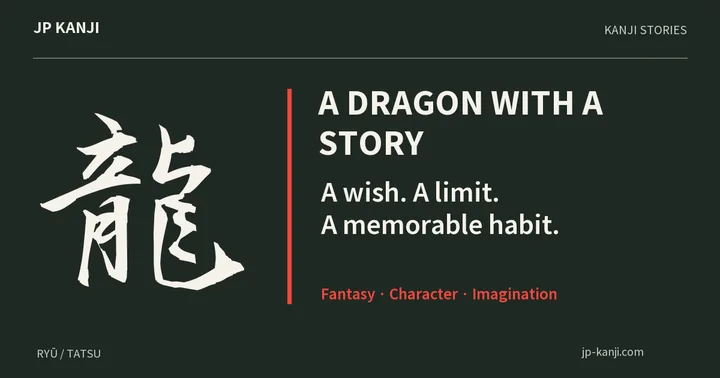
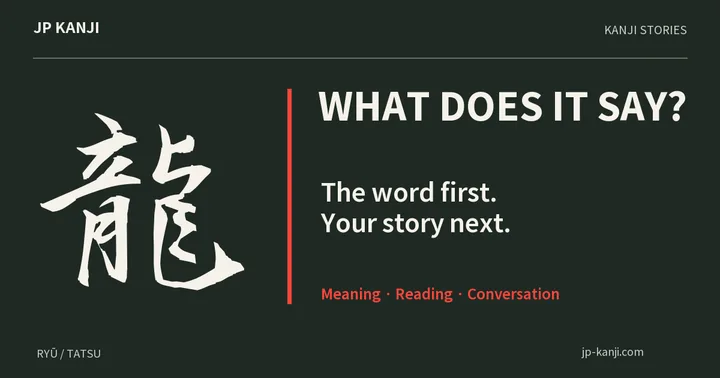
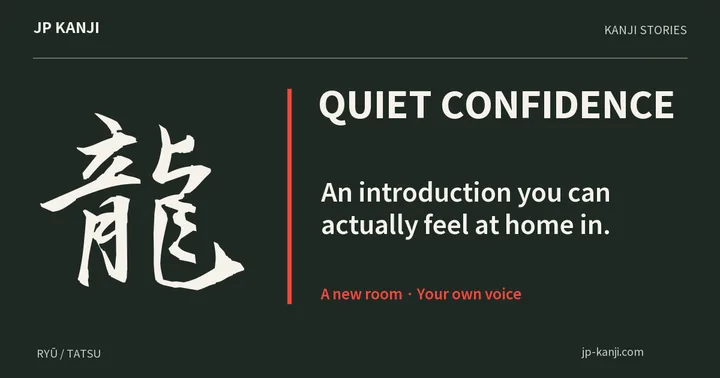
龍, meaning dragon, can be the emblem for a fantasy reader's own collection. Keep the character readable rather than weaving tiny letters through its strokes.
Wear this character