Everyday stories wa / nagomu
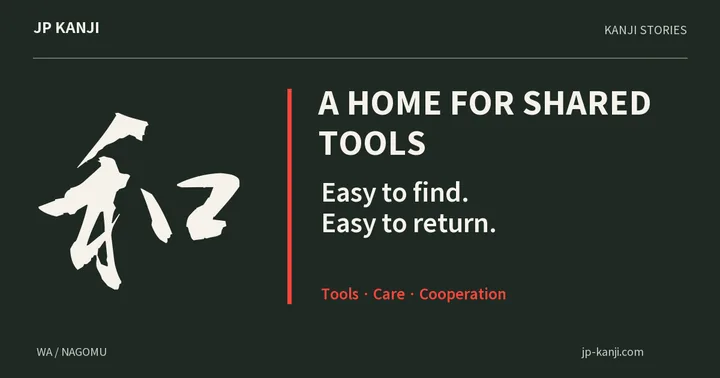
Make a simple sign-out sheet for things friends borrow
Record the item, the return plan and a useful condition note.
Wear this characterStart with a scene
A lending sheet can prevent a shared toolkit or hobby collection from becoming a guessing game. Record the actual item rather than a vague category: ‘blue cutting mat, medium size’ is more useful than ‘craft stuff’. Include a photograph only when it helps distinguish similar objects.
A closer look
Agree on the return before the handover
Write the borrower's chosen contact name, the handover date and an agreed return plan. A particular date or ‘message me after Sunday's session’ is clearer than ‘whenever’. Keep the sheet within the group that needs it, not on a public board with everyone's borrowing history.
Check what travels with the item: case, cable, instructions or small accessories. Note existing wear together so the next conversation does not depend on memory. For valuable or irreplaceable objects, the owner can decline to lend without needing to justify the decision to the whole group.
See it in words
- 平和
- heiwaPeace
- 調和
- chōwaHarmony or balance
- 和食
- washokuJapanese food culture
A meaning to make your own
A thought to give
A thank-you for repeated loans can name the project the item helped you finish. A harmony-themed gift should remain appreciation, not payment for unlimited future borrowing.
Make a gift cardOne more question
Do I need a complicated tracking app?
For a small trusted group, a private sheet may be enough. Choose the simplest system that everyone involved can actually read, update and agree to use.
A character to carry with you 和
和 can suggest harmony through clear expectations. The connection is not that generous people always lend, but that a shared arrangement respects both the borrower and the owner.
Wear this character