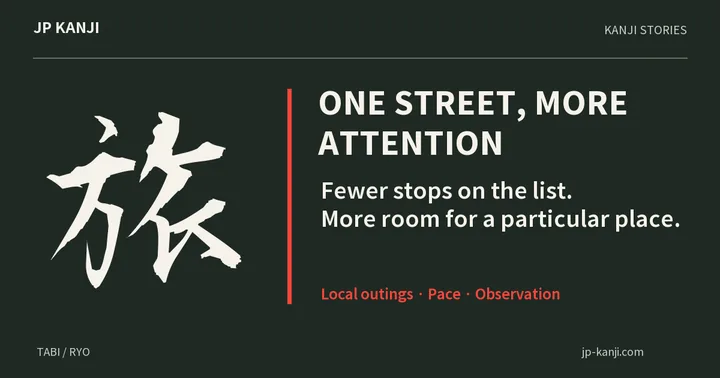
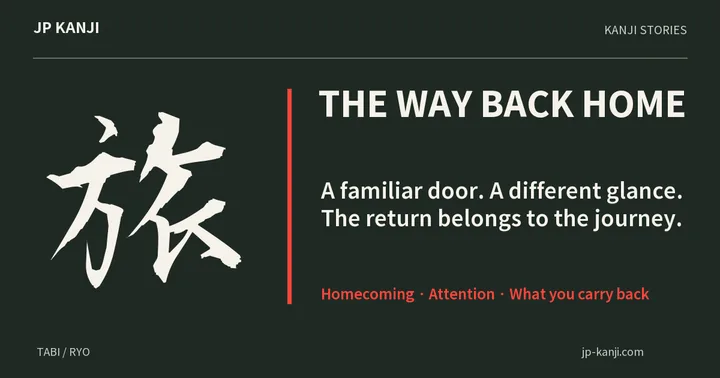
Everyday stories tabi / ryo
Use a hostel common room without assuming everyone wants company
Read the space and make a small invitation that is easy to decline.
Wear this characterStart with a scene
A hostel common room may be used for conversation, eating, work or quiet time, depending on the property. Read the current house information and notice how the room is being used. Shared space does not mean every person has agreed to socialise whenever someone enters.
A closer look
Check the house arrangements first
Choose a small opening if you would like company: asking whether a seat is free or whether anyone wants to join a simple game. Give an easy way to decline and accept it without asking for a reason. Headphones or concentration are useful cues to leave someone their space.
Keep your belongings within a reasonable area and follow the property's arrangements for food, cleaning and quiet hours. Ask before photographing people or including them in a travel post. A pleasant conversation does not automatically make someone part of your public trip diary.
See it in words
- 旅
- tabiA journey
- 旅行
- ryokōTravel; a trip
- 旅人
- tabibitoA traveller
A meaning to make your own
A thought to give
Choose travel clothing for comfort and the setting. A travel motif may start a conversation, but it is not an invitation that obliges anyone to respond.
Make a gift cardOne more question
Is it awkward to sit there alone?
No. Reading, resting or planning quietly can be a legitimate use of the room within its rules. You can share a space without turning every moment into a social activity.
A character to carry with you 旅
旅 means travel. Its human side can include brief, welcome encounters as well as solitary time; neither way of spending an evening is more authentic.
Wear this character